Tiles are more than just a finishing material for floors and walls. In functional spaces, the right tile can influence durability, safety, maintenance, comfort, and the overall appearance of an area. Whether you are designing a kitchen, bathroom, living room, office, commercial space, or outdoor area, tile selection should balance aesthetics with practical requirements.
Here are some important design considerations to keep in mind when choosing tiles for functional spaces.
1. Consider the Purpose of the Space
The first step in choosing the right tile is understanding how the space will be used.
High-traffic areas such as hallways, entrances, commercial spaces, and busy living areas require tiles that can withstand regular foot traffic. Kitchens and bathrooms have different requirements because they are exposed to moisture, spills, and frequent cleaning.
Choosing a tile based on the function of the space helps ensure that the surface remains attractive and performs well over time.
2. Choose the Right Tile Material
Different tile materials offer different characteristics. Porcelain and ceramic tiles are commonly used because they are available in a wide range of designs, sizes, textures, and finishes.
Porcelain tiles are particularly suitable for areas where durability and low water absorption are important. Ceramic tiles can provide a versatile solution for many interior wall and floor applications.
The material should be selected according to the expected use, moisture exposure, maintenance requirements, and desired appearance.
3. Think About Durability and Traffic
Not every space experiences the same level of wear and tear.
For high-traffic areas, consider tiles designed to withstand frequent use and everyday impact. For residential areas with lighter traffic, there may be greater flexibility in choosing decorative designs and finishes.
Durability is especially important in commercial environments where floors may experience continuous foot traffic.
4. Pay Attention to Slip Resistance
Safety should be an important part of tile selection, particularly in areas where water or spills are common.
Bathrooms, kitchens, entrances, balconies, poolside areas, and other potentially wet spaces may benefit from tiles with appropriate slip-resistant surface characteristics.
The finish and texture of a tile can influence how much traction it provides. A visually attractive tile should also be suitable for the conditions in which it will be installed.
5. Select the Appropriate Finish
Tile finishes can significantly influence both appearance and functionality.
Glossy tiles can create a bright and reflective appearance and can work well on walls or in areas where their visual effect is desired. Matte and textured finishes can provide a more understated appearance and may be practical for certain flooring applications.
The choice of finish should consider lighting, location, cleaning requirements, and safety.
6. Choose the Right Size and Format
Tile size can affect the visual perception of a room.
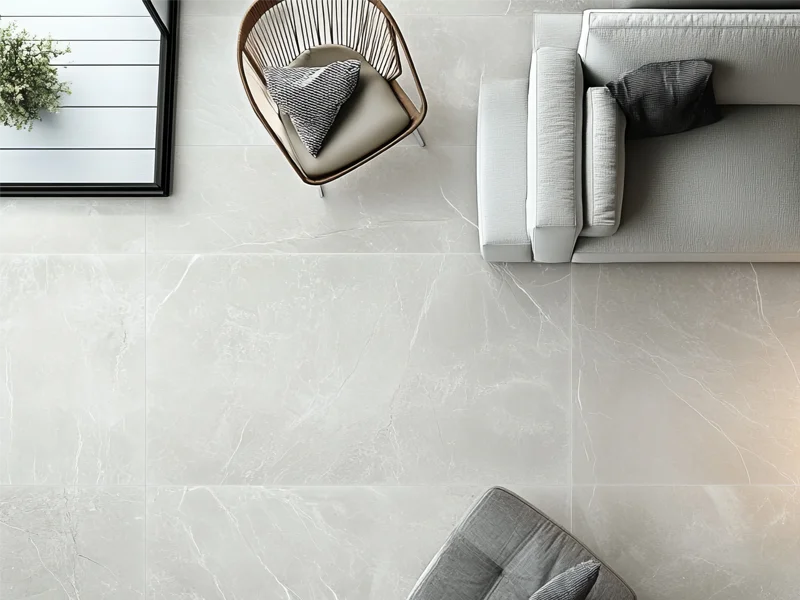
Large-format tiles can create a clean and spacious appearance because fewer grout joints are visible. Smaller tiles can introduce patterns and visual detail and can be useful for specific design applications.
The size of the tile should also work with the dimensions and layout of the space. Proper planning can help minimize unnecessary cuts and create a more balanced installation.
7. Consider Colour and Visual Balance
Colour plays an important role in creating the desired atmosphere.
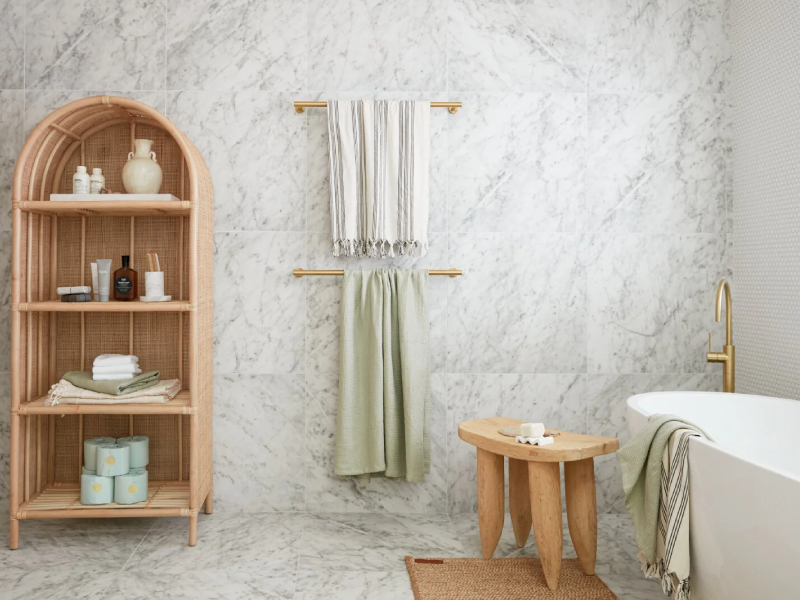
Light-coloured tiles can make smaller spaces feel more open and bright, while darker shades can create a more dramatic and sophisticated appearance. Neutral colours can provide flexibility when coordinating tiles with furniture, fixtures, walls, and other interior elements.
For functional spaces, it is often useful to choose a colour that combines visual appeal with practical maintenance requirements.
8. Think About Maintenance
Tiles are often selected because they can provide a durable and relatively easy-to-maintain surface. However, maintenance requirements can vary depending on the tile finish, colour, texture, grout, and installation location.
For busy areas, practical surfaces that are easy to clean can help reduce ongoing maintenance. Highly textured surfaces may require more attention than smoother surfaces.
It is also important to consider grout colour and joint size, as these can affect the overall appearance and cleaning needs of the finished surface.
9. Match Tiles With the Overall Interior Design
Tiles should complement the overall design rather than appear as an isolated element.
Consider how the tile will coordinate with walls, countertops, cabinets, sanitaryware, furniture, lighting, and other architectural elements. Consistent colours and complementary textures can create a cohesive appearance.
For modern interiors, simple formats and neutral tones may work well, while patterned or decorative tiles can be used to create focal points.
10. Consider Indoor and Outdoor Requirements
Indoor and outdoor spaces have different environmental conditions.
Outdoor areas may be exposed to rain, sunlight, temperature changes, dirt, and other elements. Tiles used outdoors should therefore be selected according to the specific environmental and safety requirements of the location.
For patios, terraces, balconies, walkways, and similar areas, factors such as surface texture, water exposure, durability, and maintenance should be considered before installation.
11. Plan the Tile Layout
The installation pattern can have a major impact on the final appearance.
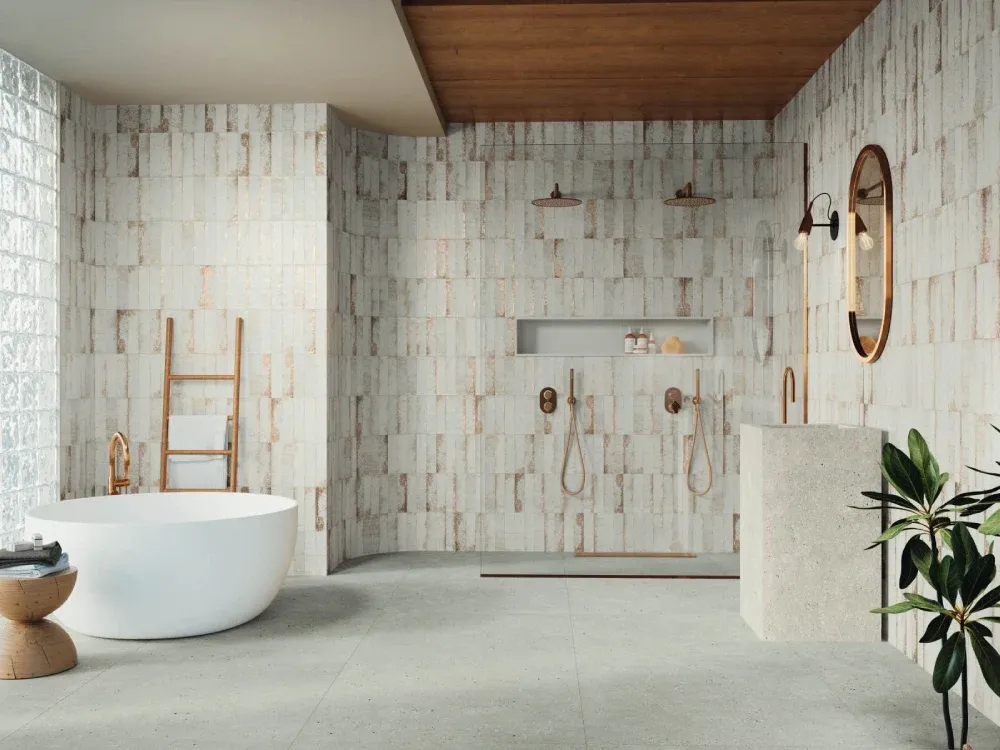
Common layouts include straight, grid, brick, diagonal, and other patterned arrangements. The layout should be planned according to the tile size, room dimensions, architectural features, and desired visual effect.
Before installation, creating a layout plan can help identify how tiles will align around doors, corners, fixtures, drains, and other features.
12. Don't Forget the Grout
Grout is an important part of the overall tile design. It connects individual tiles while also contributing to the visual appearance of the finished surface.
A matching grout colour can create a seamless look, while a contrasting grout can emphasize the tile pattern and individual shapes.
The choice of grout should also take into account the location, cleaning requirements, and expected level of use.
Conclusion
Selecting tiles for functional spaces requires more than choosing a colour or pattern that looks attractive. The best tile solution should consider the purpose of the space, durability, safety, moisture exposure, maintenance, size, finish, colour, and overall interior design.
By balancing practical performance with visual appeal, tiles can create spaces that are comfortable, durable, easy to maintain, and visually cohesive. Careful planning at the selection and installation stages can help ensure that the finished surface meets both functional and design expectations.